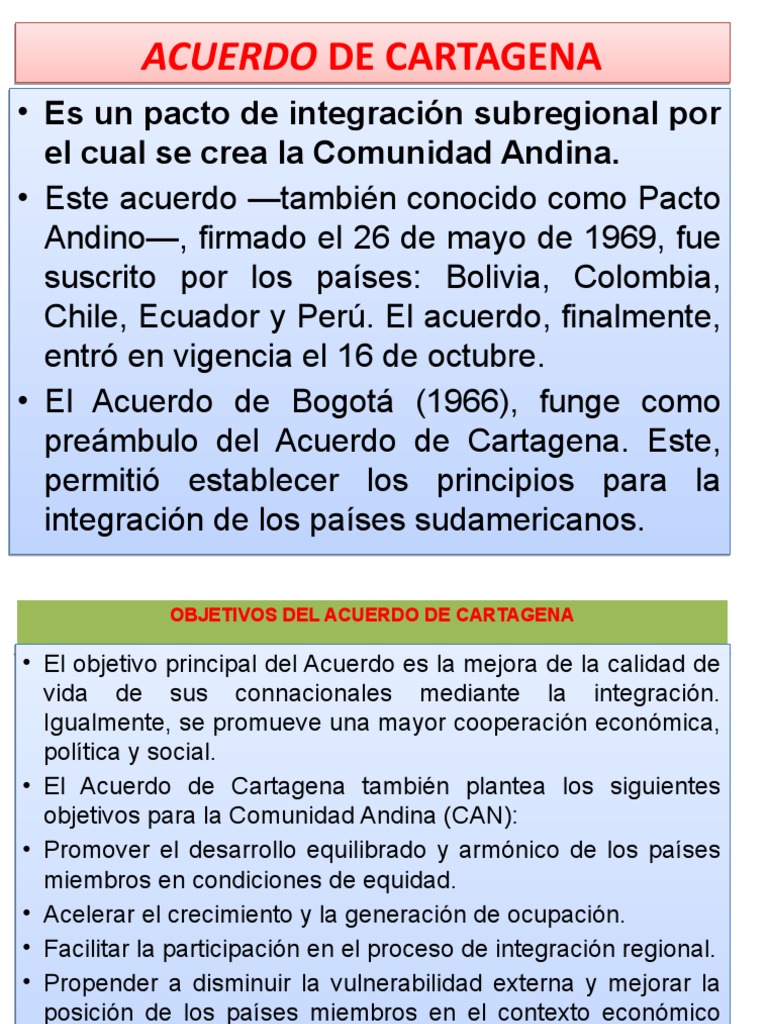
The Acuerdo de Cartagena, an emblematic agreement established in 1969, embodies a crucial alliance within the Andean region. This treaty aimed to foster economic integration, promote free trade, and enhance collaboration among member nations. Yet, beyond its political ramifications, the logo associated with the Acuerdo de Cartagena is a potent symbol of unity, aspiration, and regional identity. In delving into the nuances of its design, the philosophy it embodies, and the intentions behind its creation, one can glean a deeper understanding of its significance.
Logo Meaning and Philosophy
The logo of the Acuerdo de Cartagena transcends mere graphic representation; it encapsulates the very essence of the agreement’s mission. Comprising interlocking shapes, often interpreted as elements of the Andean landscape, it symbolizes the interconnectedness of the nations involved. Each component of the logo reflects individual member states—showcasing their unique cultural identities—while simultaneously conveying a message of collective strength. The intertwining elements articulate a philosophical undercurrent of unity in diversity, which is foundational to the principles of the agreement.
Colors play a pivotal role in this design. Typically employing shades reminiscent of the Andean topography, the palette evokes a sense of belonging and respect for nature’s grandeur. This naturalistic approach to design roots the logo in the cultural and historical contexts of the member countries, speaking to both heritage and progress.
Business Type
The Acuerdo de Cartagena is not merely a diplomatic pact; it serves as a framework for economic collaboration and development. Considered a regional trade agreement, it facilitates commerce and investment across borders. By harmonizing trade policies among Bolivia, Colombia, Ecuador, and Peru, the agreement aims to bolster the economic capacity of these nations through increased investment and demand for goods and services. Thus, its business type can be classified under multinational economic cooperation, characterized by a commitment to elevate collective advantages while fostering sustainable growth.
Design and its Impact
The design of the Acuerdo de Cartagena logo, attributed to progressive design principles prevalent in the late 1960s, mirrors the zeitgeist of its inception. Interestingly, this era witnessed a heightened interest in modernism—a movement that advocated for simplicity, abstraction, and function, values reflected in the logo’s clear lines and geometric shapes. The aesthetic choices underline a progressive vision; one where regional cooperation is as much about economic advantage as it is about cultural exchange and mutual respect.
Moreover, the logo’s design employs a circular motif, symbolizing wholeness, continuity, and the cyclical nature of economic relationships. This aspect invites viewers to reconsider the implications of regional integration beyond immediate financial gains, emphasizing long-term collaboration and symbiosis.
Design Company and Year
Through this detailed examination of the Acuerdo de Cartagena logo, one can truly appreciate its multifaceted representation of the agreement. By intertwining the elements of design, philosophy, and regional significance, it stands as a testament to the promise of cooperation, inviting viewers to engage their curiosity about the complex tapestry of relationships that shape the Andes’ economic landscape.