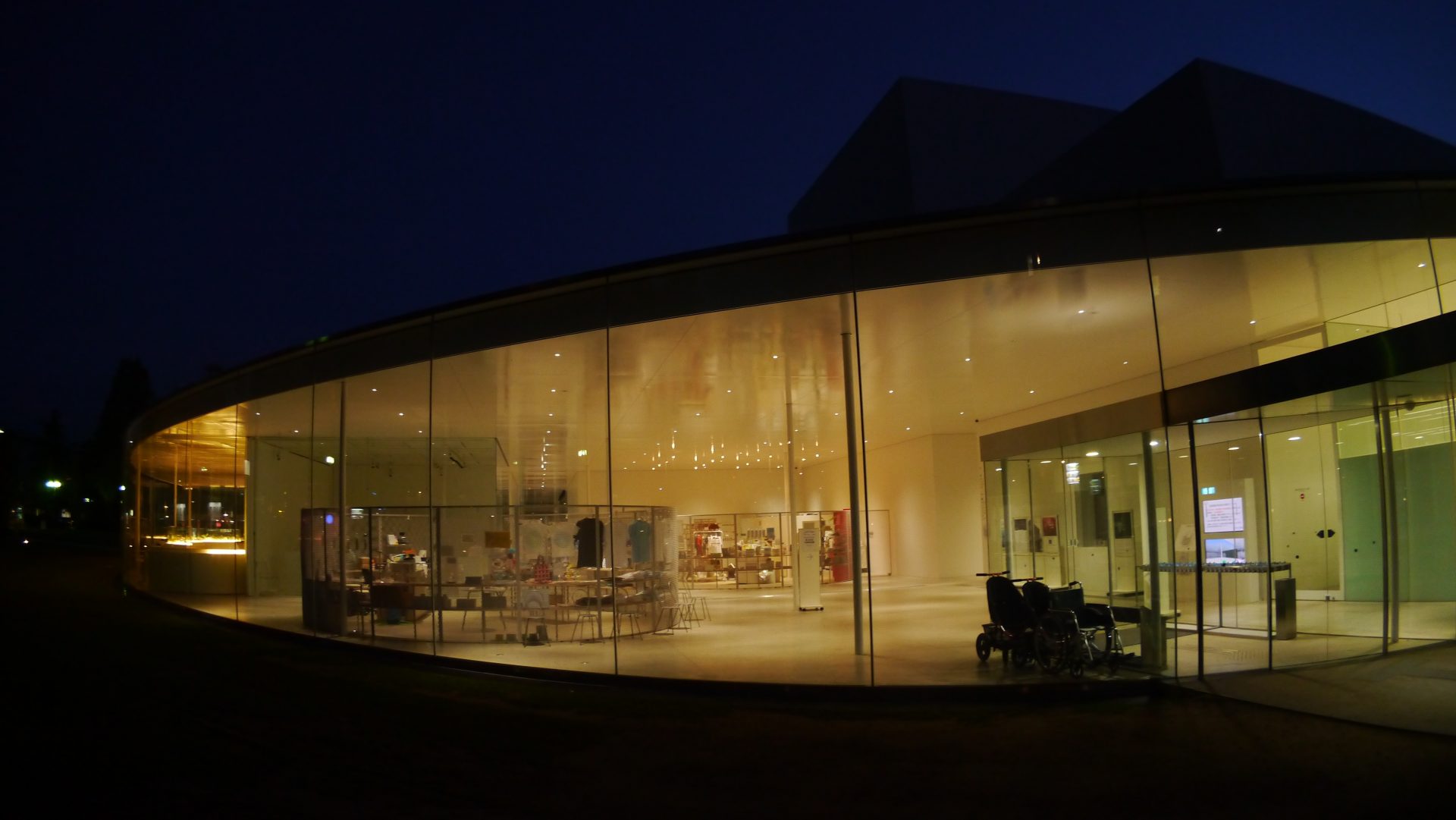
The 21st Century Museum of Contemporary Art in Kanazawa, Japan, is not just a hub for contemporary art but also a paragon of modern architectural philosophy and design. This esteemed institution, which opened its doors to the public in 2004, was meticulously conceptualized by the renowned architectural firm SANAA, led by architects Kazuyo Sejima and Ryue Nishizawa. The museum stands as a testament to innovative design and cultural significance, reflecting both Japan’s rich historical context and a forward-thinking global art narrative.
The logo of the 21st Century Museum is an emblematic representation of its overarching philosophy. Its design is minimalist, yet it embodies the essence of contemporary art—simplicity intertwined with profound meaning. The logo employs geometric shapes and a clean typeface that reflects the museum’s architectural style: open, transparent, and inviting. The circular form suggests unity and inclusiveness, reminiscent of the museum’s commitment to presenting diverse artistic expressions and fostering community engagement. This unified visual identity not only communicates the museum’s mission but also resonates with its architectural design, marked by transparency and accessibility.
Business Type: As a public institution dedicated to the exploration and exhibition of contemporary art, the 21st Century Museum operates as a non-profit entity. This allows it to focus on curating exhibitions that challenge conventional notions of art, thereby promoting artistic innovation while engaging with local and international audiences. Instead of generating profit, the museum prioritizes cultural enrichment, contributing significantly to the discourse surrounding contemporary art in Japan and beyond. It hosts a myriad of exhibitions, educational programs, and community workshops, creating a dynamic nexus for art enthusiasts, students, and educators alike.
The design of the building itself is a masterpiece of modern architecture. The museum features a unique circular floor plan with transparent glass walls that invite light and nature into the gallery spaces. This openness encourages a fluid interaction between the internal and external environments, allowing art to exist within a broader context. Visitors are not merely passive observers; they engage with the artworks within a serene setting that promotes contemplation and reflection. The architecture fosters a sense of continuity, encouraging visitors to traverse the space in a non-linear fashion, further enhancing their experience of the art on display.
It’s essential to recognize that SANAA’s design philosophy is deeply rooted in a conceptual understanding of space and form. Their approach often synthesizes simplicity with complexity, resulting in structures that challenge traditional architectural norms. In Kanazawa, this is exemplified by the seamless integration of natural elements, creating a tranquil atmosphere that resonates with the visitor’s journey through art. This philosophy is not merely aesthetic; it reflects a deeper understanding of the relationship between art, architecture, and the spectator’s experience.
Over the years, the 21st Century Museum has hosted numerous temporary exhibitions, showcasing both Japanese contemporary artists and international figures. This dedication to a global dialogue within the art community is indicative of its mission to transcend cultural boundaries, fostering a rich exchange of ideas. Each exhibition is thoughtfully curated to challenge perceptions and inspire visitors, making the museum a vital player in the international art scene.
In summary, the 21st Century Museum of Contemporary Art Kanazawa serves as a beacon for artistic exploration and cultural dialogue. Its logo reflects the museum’s commitment to inclusivity and transparency, while its architectural design invites interaction and contemplation. As a non-profit institution, it prioritizes the enrichment of the cultural landscape through exhibitions and community engagement, positioning itself at the forefront of contemporary art appreciation. Through its innovative approach to art and architecture, the museum continues to inspire and captivate visitors from around the world.